
Event Project Management: A Complete Planning Guide
Planning a successful event involves much more than choosing a venue, arranging decorations, or inviting guests. Behind every well-organised conference, corporate gathering, product launch, exhibition, or wedding is a series of decisions that must come together at the right time. Budgets need to be controlled, suppliers must understand their responsibilities, schedules have to be coordinated, and guests should feel that everything has been arranged with care.
This is where a structured approach makes a difference. Whether you are organising a small business meeting or a large public event, having a clear process helps you manage expectations, use resources wisely, and respond to unexpected situations without losing sight of the main objective.
Understanding how to plan, coordinate, and evaluate an event is valuable for both experienced organisers and people entering the industry. With the right preparation, creative ideas can become well-executed experiences that deliver genuine value to clients, attendees, sponsors, and businesses.
What Does Professional Event Planning Involve?
Professional event planning is the process of turning an idea into an organised, practical experience. It begins with understanding why an event is being organised and ends with reviewing its results. Between these stages, organisers manage everything from budgeting and venue selection to vendor communication, marketing, guest registration, and on-site coordination.
The process also requires clear decision-making. A company launching a new product, for example, may want to attract potential customers, introduce its product to the media, and build relationships with business partners. A wedding has different priorities, including guest comfort, family expectations, entertainment, and the smooth coordination of ceremonies.
These differences influence the entire planning process. Organisers must understand the audience, establish realistic objectives, and decide how success will be measured before committing to major expenses.
Effective event project management brings these responsibilities together through defined tasks, deadlines, budgets, and accountability. Rather than relying on memory or last-minute instructions, the team follows an agreed plan and knows who is responsible for each activity.
The goal is not to remove creativity from an event. It is to create enough structure for creative ideas to work in practice.
Why a Clear Plan Matters Before the Event
An event may look simple to attendees, but its preparation often involves multiple teams working simultaneously. The venue, production crew, caterers, designers, speakers, marketing team, and client may all have different requirements. If one important decision is delayed, several other activities can be affected.
For example, a delay in finalising the event schedule can affect speaker confirmations, promotional material, staff allocation, and technical arrangements. Similarly, increasing the guest count without reviewing the catering budget or venue capacity can create problems that become difficult to resolve close to the event date.
A structured approach to event and project management helps organisers understand these connections before they become costly issues. It also gives clients a clearer picture of progress, expenditure, pending approvals, and possible risks.
Another benefit is better use of resources. Instead of spending money on every attractive idea, planners can prioritise the activities that contribute most to the event’s purpose. A business conference may need reliable audio-visual equipment and useful networking opportunities more than elaborate stage decoration. A product launch may require stronger branding, product demonstrations, and media coordination.
When decisions are linked to clear objectives, it becomes easier to protect the budget without compromising the attendee experience.
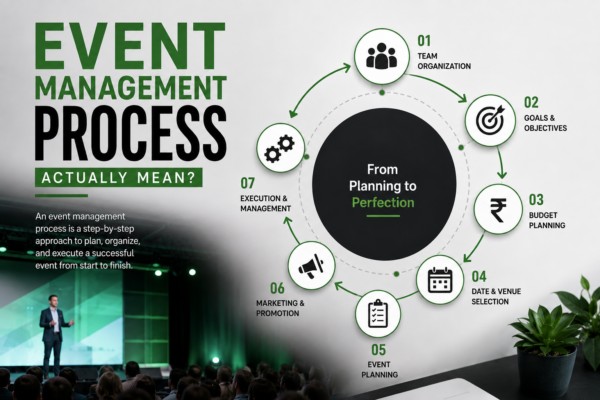
Step 1: Establish the Purpose and Expected Results
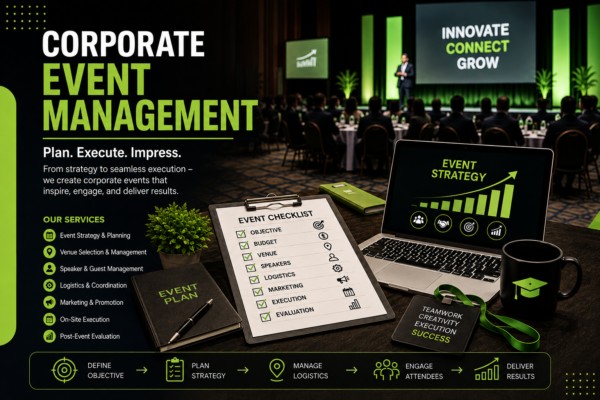
Every event should begin with a clear reason for taking place. Before booking a venue or approaching suppliers, identify what the organiser wants to achieve. Is the event intended to generate leads, educate an audience, celebrate an occasion, strengthen business relationships, or introduce a new service?
The answer determines the audience, format, scale, location, and promotional strategy. A training workshop may work best with a smaller venue and interactive sessions, while a public exhibition may require larger spaces, visitor management, exhibitor facilities, and a broader marketing campaign.
Set measurable objectives wherever possible. Instead of simply aiming to create awareness, a business might set a target for registrations, qualified enquiries, product demonstrations, or post-event meetings. For a private celebration, success might be assessed through guest feedback, schedule coordination, and whether the arrangements met the family’s expectations.
At this stage, confirm the event’s scope as well. Document what is included, what is outside the agreed requirements, who approves major decisions, and which deadlines cannot change. This prevents misunderstandings later and gives the team a common direction.
Step 2: Prepare a Realistic Budget
Budgeting is one of the most important responsibilities because even a well-designed event can become difficult to manage when costs are underestimated. Start by listing the main expenses, including venue rental, catering, decoration, lighting, sound, staging, transportation, printing, security, staffing, permits where applicable, and promotional activities.
The exact categories will depend on the type and location of the event. An outdoor festival may need additional arrangements for weather protection, crowd control, and power supply. A corporate conference may require speaker travel, registration technology, presentation equipment, and branded materials.
Request quotations from suppliers and compare them carefully. The lowest price is not always the best choice if it excludes essential services, has unclear cancellation terms, or creates additional costs later. Confirm payment schedules, deliverables, overtime charges, and the conditions under which bookings can be changed.
Keep a contingency allowance for unexpected expenses, with the amount based on the event’s complexity and risk. Review actual spending against the approved budget throughout the preparation period instead of waiting until the event is over.
A detailed event project plan should record estimated costs, approved amounts, payment deadlines, and the person responsible for monitoring each expense. This makes financial decisions easier to track and helps organisers identify overspending early.
Step 3: Build a Timeline and Assign Responsibilities
Once the objectives and budget are clear, turn the work into a timeline. Begin with the event date and work backwards to establish when major decisions must be completed.
For a large conference, venue booking and speaker confirmations may need to happen months in advance. Promotional campaigns, registration, supplier coordination, and production planning follow according to the event’s needs. In the final weeks, the team should concentrate on confirming guest numbers, checking equipment, approving layouts, and resolving outstanding details.
Every task should have an owner and a deadline. Instead of writing a general instruction such as “manage the stage,” divide the work into practical activities: approve the stage design, confirm dimensions with the venue, arrange lighting, test microphones, prepare presentation files, and conduct a technical rehearsal.
This is an important part of project management for events because several activities depend on one another. The production team may not be able to finalise its setup until the venue layout is approved, while the marketing team may need confirmed speaker details before publishing the programme.
A shared spreadsheet or project management tool can help teams track task status, pending approvals, dependencies, and changes. Regular check-ins also make it easier to identify delays before they affect the wider schedule.
Step 4: Coordinate Suppliers, Venue and Logistics
Logistics turn the plan into a workable arrangement. The venue must suit the expected audience, event format, accessibility requirements, equipment needs, and available budget. Organisers should check capacity, entry and exit routes, parking or transport options, power supply, restrooms, and the rules governing setup and dismantling.
Supplier coordination requires equal attention. Each vendor should receive clear information about the service being provided, arrival time, access arrangements, setup requirements, contact person, and delivery deadline. Written confirmations help reduce confusion when several teams are working at the same location.
Technical arrangements should be tested before guests arrive. Sound checks, lighting adjustments, internet connectivity, presentation files, registration systems, and backup equipment all deserve attention. For online or hybrid events, organisers should also test streaming quality, participant access, and communication between remote and on-site teams.
A practical approach to event and project management includes regular confirmation of important arrangements instead of assuming that an earlier conversation guarantees completion.
Good coordination also means considering the guest journey. Clear signage, accessible facilities, organised registration, comfortable seating, and helpful staff can make a significant difference to how attendees experience the event.
Step 5: Identify Risks and Prepare Alternatives
No amount of planning can guarantee that everything will happen exactly as expected. Suppliers may arrive late, speakers may cancel, equipment may fail, attendance may exceed capacity, or bad weather may affect an outdoor programme.
The solution is to identify realistic risks before the event and decide how the team will respond. Consider the likelihood of each problem, its possible impact, and the action needed to reduce the damage. Not every risk requires the same level of attention; organisers should prioritise issues that could affect safety, essential services, major deadlines, or significant costs.
For an outdoor event, an alternative indoor location or a weather-response procedure may be necessary. A conference may need a replacement speaker, backup microphones, and copies of presentations. Registration teams should know how to handle connectivity problems or discrepancies between the guest list and actual attendance.
Responsibility for responding to each major issue should be clear. Team members need to know whom to contact, who can approve a change, and how updated instructions will reach everyone involved.
A good backup plan is practical, communicated in advance, and realistic within the available budget. Preparing alternatives allows organisers to respond calmly rather than making rushed decisions under pressure.
Step 6: Manage the Event on the Day
Event day is when preparation is tested in real conditions. Even with a detailed schedule, organisers must monitor progress, communicate changes, and make decisions quickly.
Start with a briefing that confirms responsibilities, contact details, the event schedule, emergency procedures, and the escalation process for problems. Each department should know its reporting point and understand which decisions it can make independently.
During the event, a central coordinator should monitor key activities and maintain communication with the relevant team members. If a speaker is delayed, the programme may need to be adjusted. If registration becomes crowded, additional staff may be required. If a technical issue interrupts a presentation, the team should follow the agreed backup procedure.
The aim is to resolve issues without creating unnecessary confusion for attendees. Clear communication is particularly important when a change affects multiple departments, such as a revised session time or a change in the entrance arrangements.
The event project plan should therefore remain accessible during execution, with important contacts, schedules, task owners, and contingency instructions available to the people who need them.
Successful execution does not mean that no problems occur. It means the team can manage them while protecting safety, maintaining communication, and keeping the event’s main objectives in view.
Step 7: Evaluate the Results After the Event
The work should not end as soon as the guests leave. A post-event review helps organisers understand whether the event achieved its objectives and where future improvements are needed.
Begin by comparing the original goals with the actual results. Review registration numbers, attendance, expenditure, revenue where relevant, attendee feedback, sponsor commitments, and the performance of individual sessions or activities. For business events, useful measures may include qualified leads, meetings generated, or follow-up enquiries. For educational events, participant feedback and engagement may be more important.
Collect feedback from the client, attendees, staff, and suppliers while the experience is still fresh. Record what worked well, where delays occurred, which expenses exceeded expectations, and whether any backup arrangements were used.
A short review meeting can turn these observations into specific recommendations. If registration queues were too long, revise staffing and entry procedures. If a supplier repeatedly missed deadlines, improve the confirmation process or reconsider the arrangement for future events.
Documenting these findings creates a reference for the next project. Over time, this makes planning more accurate, communication more effective, and resource allocation more reliable.
Developing the Skills Needed for a Career in Events
Event planning combines creativity with organisation, communication, budgeting, negotiation, teamwork, and problem-solving. People interested in this field benefit from understanding both the creative side of an event and the operational work required to deliver it.
Students considering an event management course should look beyond the course title and examine what they will actually learn. Relevant subjects may include budgeting, venue operations, event marketing, production, vendor coordination, client communication, safety procedures, and post-event evaluation. Practical assignments and supervised project experience can help students understand how classroom concepts apply to real situations.
When comparing an event management institute in Delhi, prospective students should review the curriculum, faculty experience, opportunities for practical learning, internship arrangements, and the type of event exposure available. They should also check course duration, fees, certification details, and any placement-related claims before making a decision.
For aspiring professionals, practising with a small college function, community programme, workshop, or simulated corporate event can be a useful starting point. Creating a budget, preparing a schedule, coordinating a small team, and documenting the results helps build practical experience and demonstrates an understanding of the responsibilities involved.
Conclusion
A successful event is the result of many connected decisions rather than a single creative idea. Clear objectives, realistic budgeting, organised timelines, reliable suppliers, risk preparation, effective communication, and honest evaluation all contribute to a better outcome.
A structured approach to project management event planning helps teams understand their responsibilities and maintain control over changing requirements. It also creates room for creativity because essential operational details are less likely to be overlooked.
Whether you are managing a private celebration, a corporate conference, or a large public gathering, the principles remain useful: plan with purpose, communicate clearly, prepare for uncertainty, and learn from every event. With consistent practice, these skills can help organisers deliver experiences that meet expectations and become more effective with every new project.