
Ask ten people what event management means and most will say “wedding planning” or “organising parties.” That’s not wrong, but it’s a tiny slice of a much bigger picture. Event management actually covers everything from a 500-crore corporate summit to a 50-person NGO fundraiser, and the skills needed for one barely help with the other. If you’re exploring this field — as a student, a career-switcher, or just someone curious — understanding the different types of event management first will save you months of confusion later.
Event management is not one job. It’s a whole industry hiding inside one label. A person planning a Delhi wedding and a person running a tech company’s product launch are technically in the “same” field, but their daily work barely overlaps. That’s why anyone entering this space needs to understand the different types of event management before picking a direction, because the skills, clients and pay all shift depending on which type you choose.
This guide breaks down what event management actually means, the major categories inside it, the different types of event planners who work in each one, real examples from the Indian events industry, and the roles you can grow into over time.
What is Event Management?
If someone asks you point blank — what is event management — the honest answer is: it’s the process of planning, organising, budgeting and executing an event, from the first client brief all the way to the final clean-up after guests leave. It includes venue selection, vendor coordination, timeline planning, on-ground execution, and increasingly, digital tools like registration platforms and event apps.
That one-line answer, though, hides a huge amount of variety. A person managing a corporate product launch spends their day on stakeholder emails and AV checklists. A wedding planner spends theirs on décor mood boards and family preferences. Both are “event managers,” and both would technically give you the same textbook answer if you asked what is event management — but their actual day-to-day work looks almost nothing alike. This is exactly why the industry has split into clear specialisations, and why the rest of this guide matters more than the one-line definition ever could..
Types of Event Management
Here are the major types of event management active in India right now, with what each one actually involves.
1. Corporate Events
This covers conferences, product launches, trade shows, employee town halls and B2B networking events. The purpose is almost always business-driven — brand visibility, lead generation, internal alignment or investor confidence.
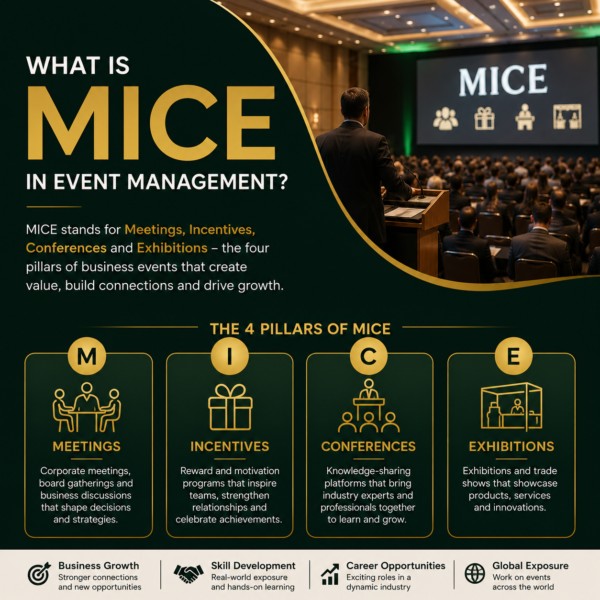
Corporate event planners work closely with marketing and sales teams. Expect tight, fixed deadlines (a CEO’s product launch date doesn’t move for a vendor delay), heavy use of AV technology, and a strong focus on measurable outcomes like footfall or lead capture. India’s MICE segment (Meetings, Incentives, Conferences, Exhibitions) is one of the fastest-growing parts of the events industry, driven directly by corporate expansion in cities like Bangalore, Mumbai and Delhi.
2. Social and Private Events
Weddings, birthdays, anniversaries, baby showers, and other personal milestones fall here. This is, by a wide margin, India’s largest event segment — the country hosts millions of weddings every year, and each one involves multiple vendors: décor, catering, photography, entertainment and logistics.
Unlike corporate work, this category runs on emotion as much as logistics. Clients aren’t just buying a service; they’re buying a memory. That means planners here need patience, creative flair, and the ability to manage family dynamics as much as budgets.
3. Cultural and Entertainment Events
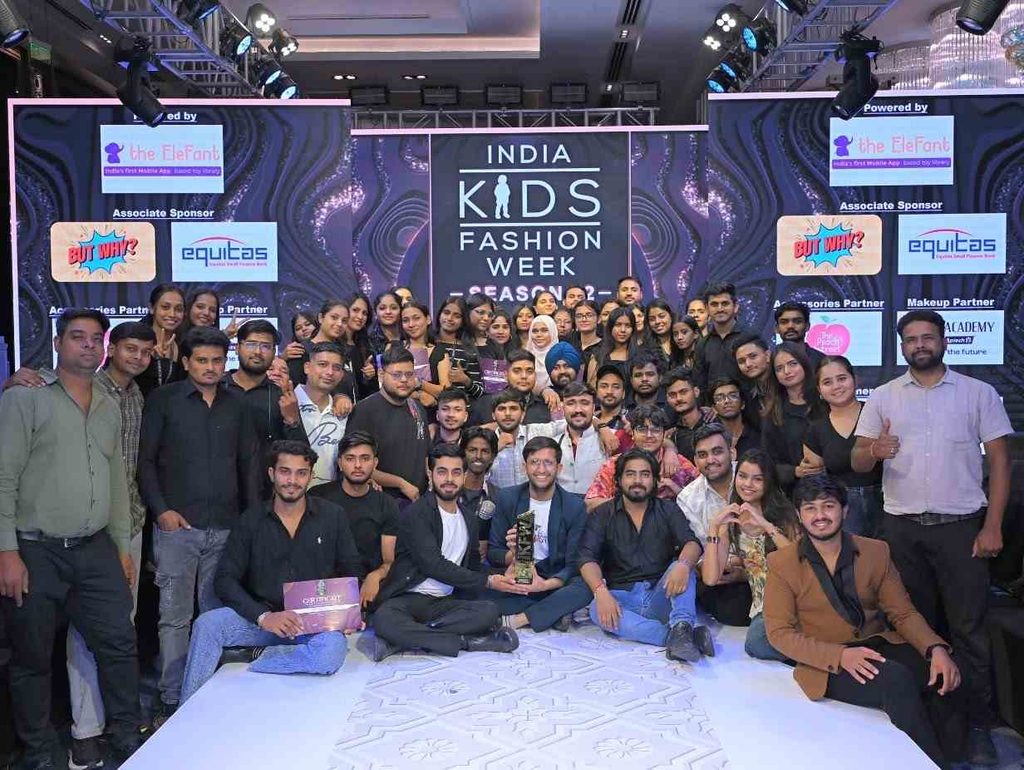
Music festivals, fashion shows, film screenings and art exhibitions belong in this category. These events usually involve large live audiences, multiple stages or zones, ticketing platforms, and tight coordination between performers, production crews and security teams.
This is high-energy work. Things change fast — a performer running late, a weather issue, a crowd-control problem — and planners here need to think on their feet more than in almost any other category.
4. Sports Event Management
Match days, tournaments and sports franchise activations need planners who understand both logistics and fan experience. This includes athlete travel, venue setup, sponsor activations, ticketing, and increasingly, live-streaming and fan engagement apps.
With India’s growing sports leagues — cricket, kabaddi, football — this niche has expanded fast in the last few years, and it rewards people who combine event skills with some understanding of sports operations.
5. Government and Non-Profit Events
Charity fundraisers, awareness campaigns, community programmes and official government functions sit here. Budgets tend to be tighter and compliance requirements heavier — funding transparency, accessibility, and stakeholder approvals all matter more than in private events.
What makes this category attractive to many planners is the mission-driven nature of the work. You’re not just executing an event; you’re supporting a cause.
6. Experiential Brand Activations
Pop-up stores, influencer meetups, interactive brand installations — this is where marketing and event planning overlap directly. Brands use these formats to create an emotional, shareable moment rather than a traditional advertisement.
This category suits planners with a design or marketing background, since success is measured in social media buzz and direct audience engagement, not just smooth execution.
7. Luxury Event Management
High-end weddings, celebrity functions and black-tie corporate galas fall under luxury event management. Every detail — lighting, cuisine, guest privacy — is customised, and planners work with premium, often international, vendors.
Precision and discretion matter enormously here. A single visible mistake can damage a planner’s reputation with elite clientele far more than it would in a mid-range event.
8. Hybrid and Digital Events
Webinars, virtual expos and events that combine an in-person audience with a live-streamed online one have become a permanent category since 2020, not a temporary pandemic fix. This includes platform selection, registration management, live Q&A tools and technical support for remote attendees.
Planners here need to be comfortable with event technology — streaming software, engagement apps, analytics dashboards — alongside the usual planning skills.
Understanding these types of event planning early helps you avoid picking a course or a job blindly and then realising two years in that, say, weddings genuinely don’t interest you but concerts do.
Types of Event Planners
Once you know the category, the planner’s actual role shifts with it:
- Corporate Event Planner — runs conferences, launches and B2B networking events, works closely with marketing teams
- Wedding/Social Event Planner — manages personal celebrations, coordinates multiple family-facing vendors
- Festival/Entertainment Planner — handles large-scale, high-footfall live events with production and artist coordination
- Sports Event Coordinator — manages athlete logistics, sponsor zones and fan experience
- Non-Profit Event Planner — organises fundraisers and awareness events within tighter budgets
- Luxury Event Planner — delivers highly personalised, premium-vendor experiences
- Virtual/Hybrid Event Producer — manages streaming platforms, registration and remote audience engagement
Most professionals don’t stay generalists for long. They usually start broad across two or three types of event planners, then specialise once they find where their strengths and interests actually line up — because clients consistently trust a specialist over someone who claims to do everything.
Roles in Event Management: How the Career Ladder Works
Careers in this field generally move through three clear stages.
Entry-level roles — Event Assistant, Event Coordinator, Marketing Assistant. Mostly admin support, vendor calls, guest list management and learning how real events actually come together on the ground.
Mid-level roles — Event Manager, Project Manager, Event Marketing Specialist. Here you start owning budgets, managing small teams, and handling direct client relationships instead of just executing someone else’s plan.
Senior-level roles — Event Director, Head of Experiential Marketing, Chief Experience Officer. Full ownership of strategy, multi-event portfolios and stakeholder relationships at scale.
Entrepreneurial path — many experienced planners eventually start their own event company, often specialising in destination weddings, corporate galas or a single niche they’ve built a reputation in.
Growth through these roles in event management depends heavily on your specialisation, your city, and whether you’ve had structured, practical training early on — that last part is usually the biggest difference between someone stuck coordinating events for years and someone who moves into management within two or three.
Event Management Examples From Real Life
Definitions only go so far. Here’s what these types of event management actually look like in practice:
- Corporate example — An IT company launching a new product with a press conference, live product demo and structured media invites.
- Wedding example — A Delhi NCR planner coordinating décor, catering and a three-day multi-event wedding itinerary across venues.
- Cultural example — A music festival organiser managing artist schedules, stage production and crowd safety for a crowd in the thousands.
- Non-profit example — An NGO’s fundraising gala with ticketed entry, donor engagement zones and a live auction for donations.
- Hybrid example — A business conference streamed live to a global online audience while a few hundred delegates attend the venue in person.
These event management examples make it clear why no single course or job title can cover this whole field — the day-to-day work is simply too different across categories.
Building an Actual Career in This Field
Across every category above, certain skills stay constant: budgeting, vendor negotiation, client communication, quick problem-solving under pressure, and comfort with basic event tools like registration platforms. None of this comes from theory alone — it comes from live event exposure, ideally early in your learning.
This is exactly the gap Event University in Delhi is built to close, with four programmes structured around hands-on, practical training:
- The Mini Event Management Program is a 15-day online course for anyone wanting a quick, practical taste of the field before committing further.
- The 3-Month Basic Event Management Program builds foundational skills through field visits and two internships — a solid starting point for students.
- The 6-Month Advance Event Management Course lets you specialise in weddings, corporate, concerts or exhibitions, with a guaranteed internship built into the course.
- The 9-Month Executive Diploma in Event Management Course targets leadership roles, with a paid internship, a live capstone event and placement support.
If you’re still unsure which type of event management fits you best, starting small with the Mini Program is a low-risk way to test the field before investing months into a longer course. And if reading through all this feels like a lot, we’ve also broken down these types of event management in video format on our YouTube channel — sometimes seeing it explained is easier than reading it.