
Types of Freelancers in Events
Freelancers in events are not one type of worker. At a single wedding or corporate launch, the planner, decorator, anchor, photographer, sound engineer and floor staff are usually all freelancers, and each one earns and works differently. This blog covers the main types of freelancers in events, what each one actually does, and how you can pick one and get your first job..
If you want to build an event management career, or you’re hiring people for your own function, you need to know who does what. So here are the types of freelancers in events, explaining the way they actually work on the ground.
The freelance event planner
This is the person most people picture first. A freelance event planner takes a brief from the client, sets a budget, finds vendors and runs the show on the day. Corporate launches, birthday parties, brand activations, engagement functions, all of it.
The catch is that you are the whole company. You do the client calls, the vendor negotiation, the payment follow-ups and the late-night panic when the tent guy doesn’t show up. Most planners who last in this space have one or two clients who keep sending work again and again. That repeat work pays the bills more than any new pitch does.
Money depends on the size of the event. Some career sites mention that experienced managers charge somewhere between Rs 50,000 and Rs 1 lakh per event, but that’s for people with a solid track record. A beginner will charge far less, and that’s normal.
On-ground coordinators and executives
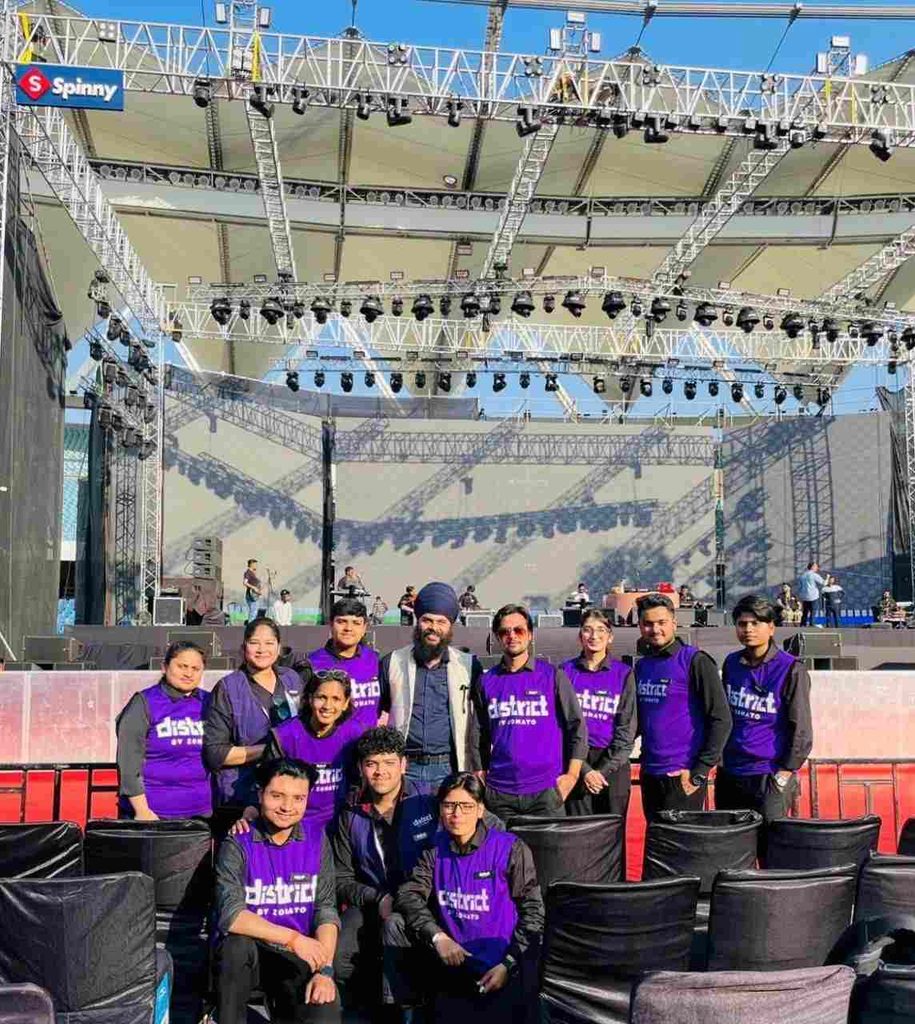
Every big event needs people who can’t sit at the planner’s desk. They have to be at the venue. Coordinators handle vendor arrival, guest movement, green rooms, timing cues and a hundred small fires. They don’t design the event. They make sure it doesn’t fall apart.
For freshers, this is the easiest door in. Most entry-level event management jobs start here, and agencies call these people on a per-day basis during peak months. You get paid by the day, you learn how a real event breathes, and you meet planners who might hire you again. Do this for one season and you’ll learn more than any lecture can teach.
Wedding and social event freelancers
Indian weddings are their own universe. A freelance wedding planner may handle only the day-of coordination for a family that already booked its own venue and caterer. Others manage the full plan, from the roka to the vidaai, with separate sub-events for mehndi, haldi and sangeet.
Then you have the specialists around them: mehndi artists, makeup artists, choreographers who train the family for the sangeet, and hospitality managers who handle guest rooms and pickups. In Delhi NCR, the winter wedding season keeps these people booked weeks in advance. Outside the season, many switch to corporate or birthday work, or the income simply dips. Nobody tells you that in the first year.
Decor, design and production freelancers
Decorators and event designers turn a bare hall into something people click photos of. Some work with flowers, some with fabric drapes, some with props and lighting. A good designer usually has a small team of karigars, one carpenter and one reliable supplier for fresh flowers.
Production freelancers sit close to them. They build stages, entry gates, photo booths and backdrops. This work is physical and deadline-heavy, and it’s often booked through agencies rather than directly by the client. If you like sketching, sourcing material and seeing your idea become real overnight, this is your lane.
Anchors, artists and performers
A good anchor can save a boring event, and a bad one can ruin an expensive one. Emcees, hosts, stand-up comics, singers, live bands, dancers and DJs are all freelance by nature. They get booked event by event, often through an artist manager or a planner who knows their work.
For these people, reputation is everything. A short video reel matters more than a degree. Planners remember who was punctual, who handled the crowd well and who argued about the mic at the last minute. Word travels fast in this circle.
Photographers and videographers
Photographers, videographers and now reel-makers are among the most visible freelancers at any event. Corporate events want clean coverage and quick delivery for social media. Weddings want candid shots, cinematic films and drone footage. Many event photographers also sell same-day highlight reels, which clients love. Your portfolio is your CV here, and one late delivery can cost you a repeat client.
Technical crew: sound, light and LED
Nobody claps for the sound engineer, but everybody notices when the mic drops. Sound, light, LED wall and projection technicians are some of the most in-demand freelancers because the equipment is expensive and the skill takes years to build. Some own their gear. Others work on a day rate for rental companies. Stage managers and show callers belong here too. They sit with headphones and control the flow, cue by cue, while everyone else enjoys the show.
Event marketing and content freelancers
This group is growing fast, and it’s the part many people forget. Someone has to sell tickets, collect registrations and post the event on social media before, during and after. Freelance social media managers, graphic designers, video editors, content writers and influencer coordinators all work around the event calendar. If you come from a digital background, you can enter events without ever touching a stage. A college fest, a trade expo or an exhibition will happily pay for someone who can fill the seats.
Event staff, hostesses and promoters
At the bottom of the ladder, but at the base of every event, is the temporary staff. Registration executives, hostesses, ushers, brand promoters and volunteer coordinators are booked by the day, mostly through agencies. Pay is low, but it’s a good way to watch how a large event runs from inside, and many coordinators started exactly here.
Which type should you pick?
Don’t overthink it. Ask what you enjoy on the day of an event. If you love solving problems in real time, go for coordination and planning. If you like making things look beautiful, look at decor and design. If you enjoy the spotlight, hosting and performing are open. If you’d rather stay behind a laptop, marketing is a great way in.
A freelance event planner needs a bit of everything, which is why most people shouldn’t start there. Start with one skill, get paid for it and get known for it. Then widen out. A lot of successful planners in Delhi started as a decorator’s assistant or a coordinator and grew into the top job slowly. That’s how a long event management career usually looks in real life, not like the brochure.
How to get your first clients
Zero contacts is the normal starting point, so don’t worry about it. Work for free at your college fest, a cousin’s engagement or a local exhibition. Take photos, keep a simple folder of what you did and ask each client for two lines of feedback. That becomes your first portfolio.
Next, make yourself easy to find. A basic Instagram page with real work, a Google Business profile and a WhatsApp catalogue are enough. Job boards list event management jobs too, but most freelance work never gets posted there. It moves by word of mouth. So message five small agencies a week and offer to work on a day rate. Most will ignore you. One or two will say yes, and that’s your start.
If you want to become a freelance event planner, this slow route is the safest one. Be on time, dress properly and never ghost a booking. Also watch your payments. Take an advance, write down what’s included, and don’t start work on a verbal promise alone. Freelancers get hurt here more than anywhere else.
Do you need a course to start?
Honestly, you can start without one. Plenty of good freelancers learned on the job. But an event management course can shorten the trial-and-error phase. It teaches budgeting, vendor handling, contracts, risk planning and client communication in a structured way, the things you’d otherwise learn by making expensive mistakes. A good event management course also puts you in front of live events and internships, which is where contacts come from.
Just don’t pick one only for the certificate. Check whether the institute lets you work on real events, whether the trainers have actually run shows, and whether placement help includes agency connections. Recruiters hiring for event management jobs care more about what you’ve handled than what you’ve studied. The best mix is simple: learn the basics, then keep freelancing alongside so your portfolio grows while you study.
Final thoughts
Freelancing in events isn’t one path. It’s a dozen doors into the same room. The types of freelancers in events we covered, from planners and coordinators to anchors, technicians and marketers, all earn differently and grow differently. Pick the door that matches how you like to work, get good at one thing and let the rest come with time.
If you want a serious event management career, put in your first season on the ground, add an event management course if you want the structure, and protect your reputation like it’s your only asset. Because in this business, it is.